Kinetic Letters – Our Handwriting Programme
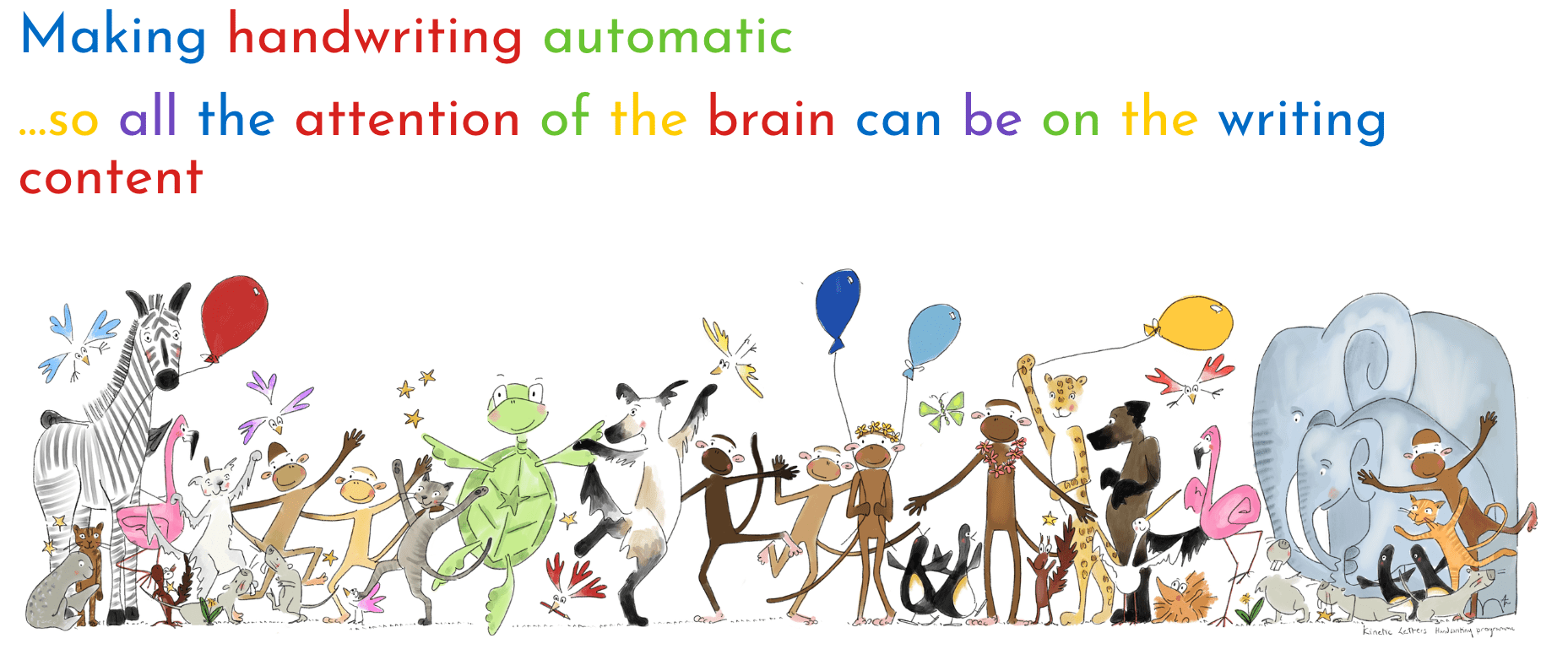
At Bluecoat Primary Academy, we teach handwriting through Kinetic Letters, a systematic programme designed to help every child develop confidence, strength and fluency in their writing. Kinetic Letters focuses on building strong writing foundations so that handwriting becomes automatic, allowing children to concentrate fully on the content of their work.
What is Kinetic Letters®?
Kinetic Letters® is built around four main threads:
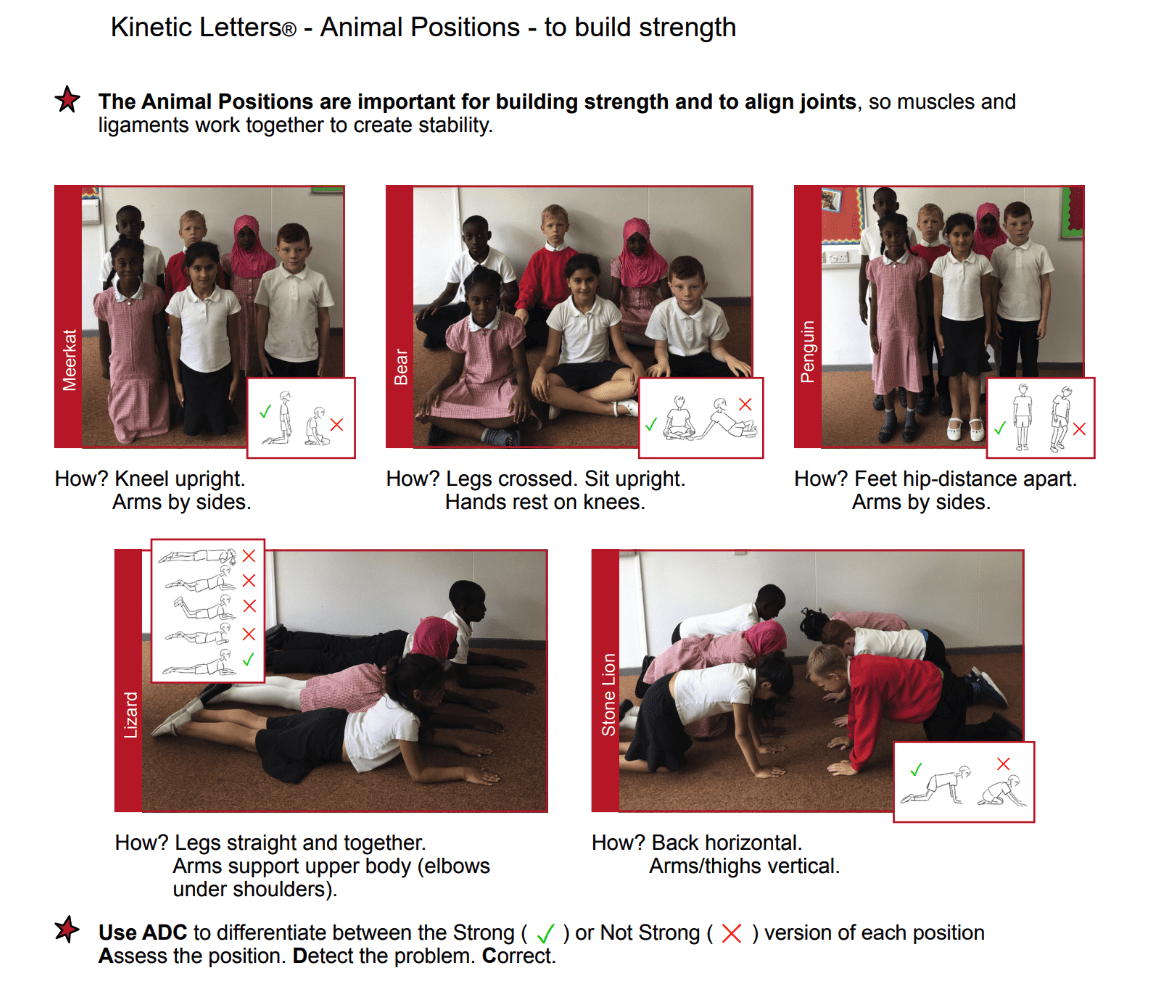
- Making bodies stronger
Children need strong core, shoulder and arm muscles to control their fingers.
The programme builds this strength through specific writing positions (such as tummy writing) and simple daily routines.
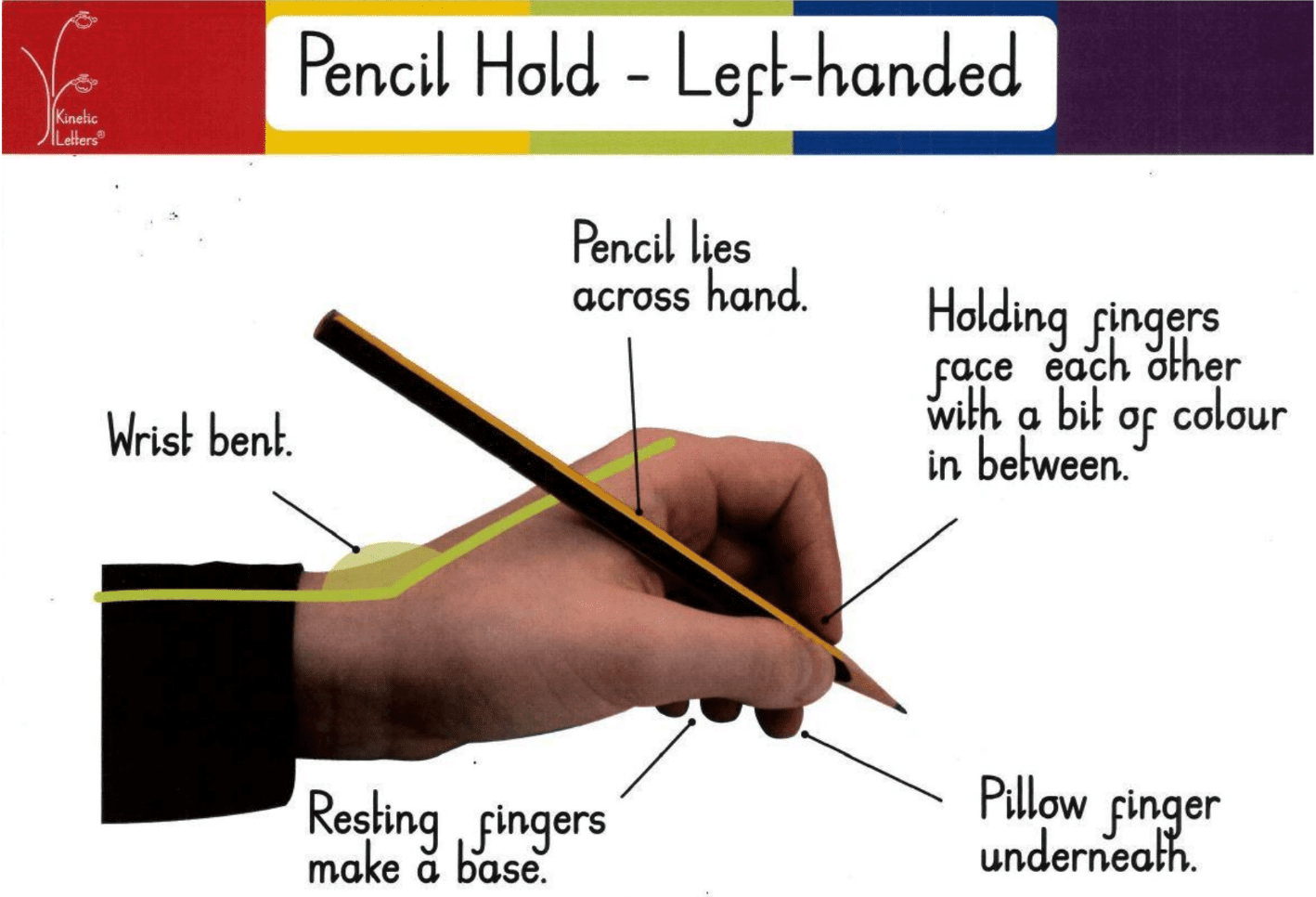
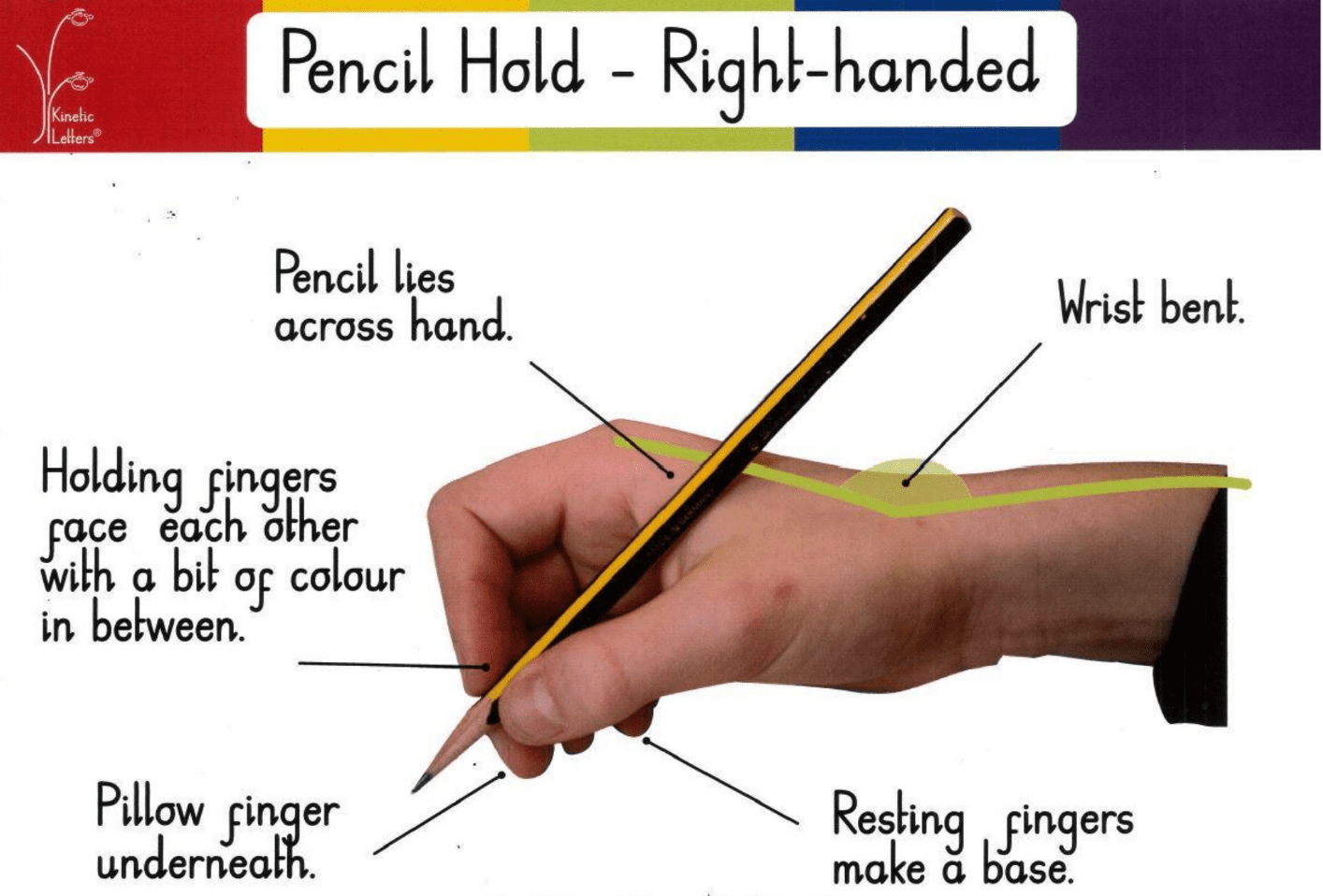
- Holding the pencil comfortably
Children learn how to hold a pencil in a relaxed, efficient grip that allows them to write for longer periods. Triangular pencils and pens are used to support this.
- Learning the letters
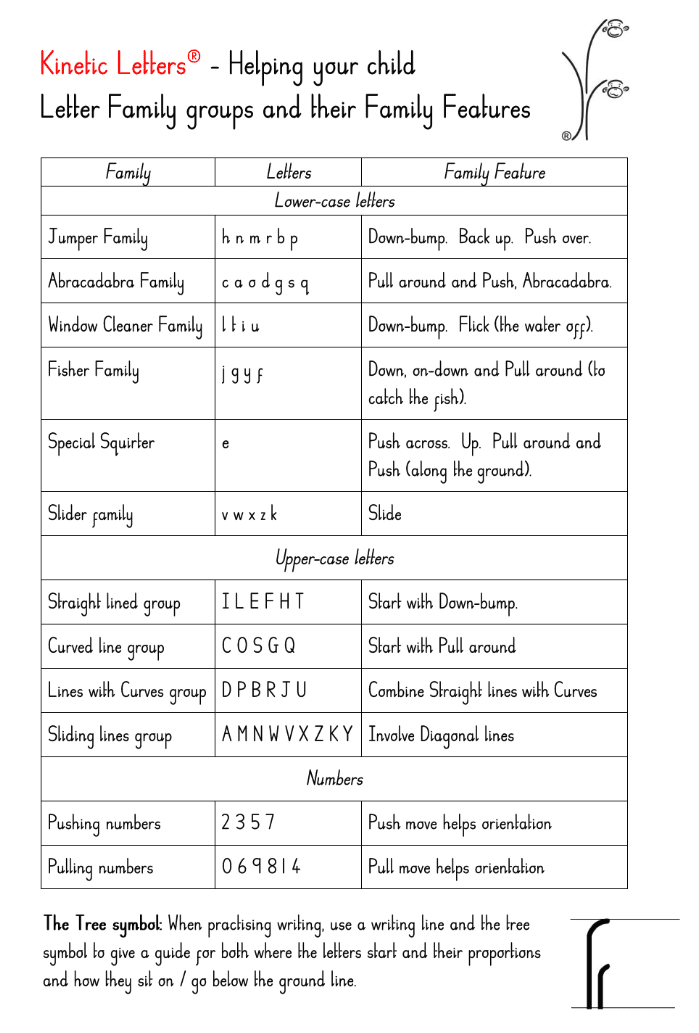
Letters are taught in a clear, systematic order based on children’s cognitive development.
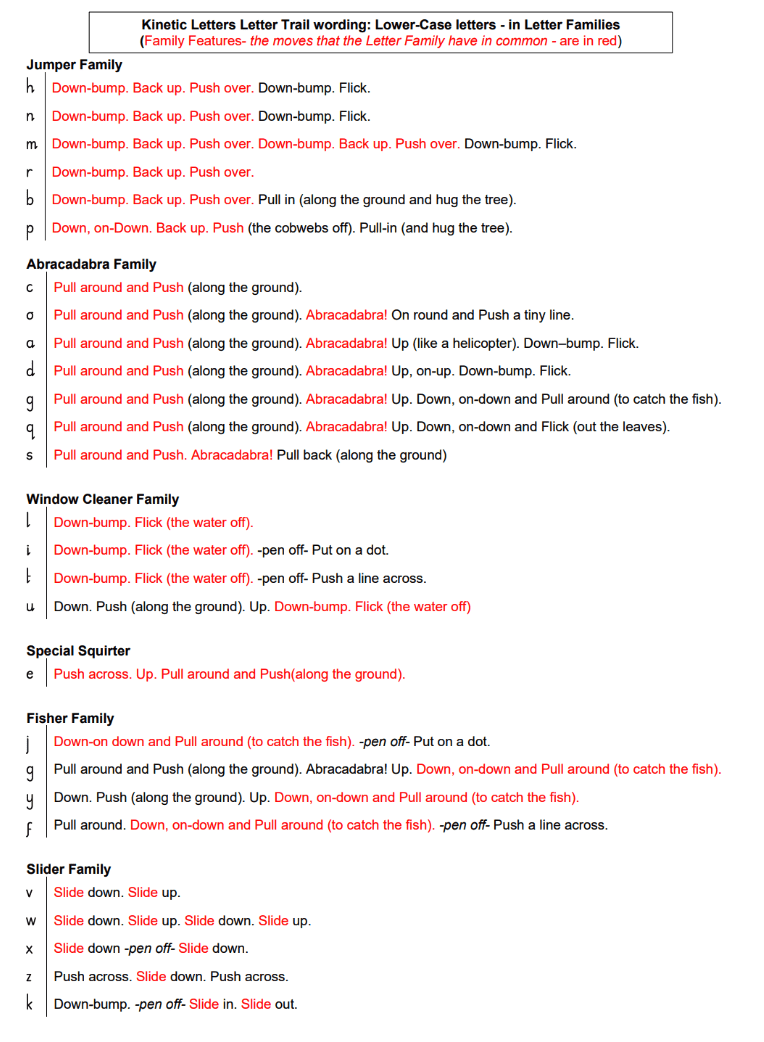
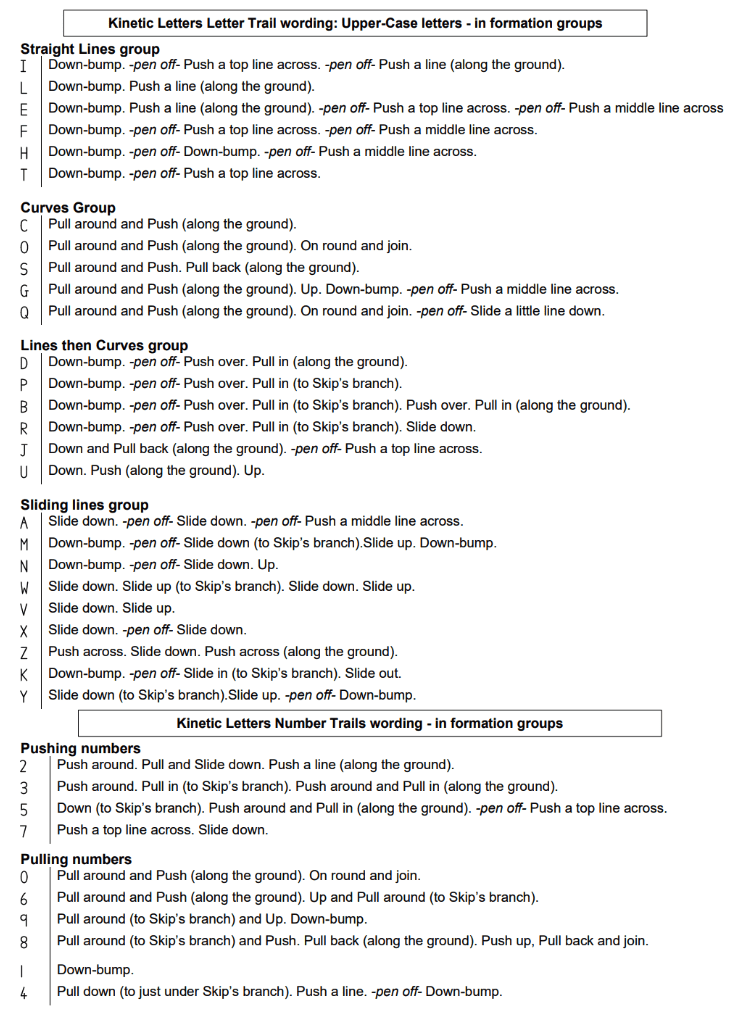
Children first learn the movement patterns behind letters — using big movements, sand trays and whiteboards — before writing on paper.
All letters are introduced using the Kinetic Letters® font, which follows simple, consistent rules that children can learn quickly.
To make formation memorable, the programme uses two friendly monkeys:
- Bounce – the brave monkey who climbs to the top branch
- Skip – the cautious monkey who stays on the middle branch
Every letter is formed by one of these monkeys, helping children remember starting points and letter heights.
- Flow and fluency
Letter movements are minimised so handwriting becomes fast and fluent.
Importantly, there are no leadin strokes, which reduces unnecessary pencil movements and improves speed.
As children progress through the school, handwriting becomes more automatic and fluid.
How We Teach Handwriting in School
We teach handwriting:
- Daily in Early Years and Key Stage 1
- Daily in Key Stage 2 to maintain fluency and speed
Handwriting lessons focus solely on handwriting (not spelling). This gives children the time and space to practise posture, grip, letter formation and joining without additional cognitive load.
Children move through each stage:
1. Strength and posture training
2. Pencil hold and fine motor control
3. Letter families and correct formation
4. Numbers and capital letters
5. Joins and fluency
6. Developing a consistent, legible personal style